Outside Lighting: Types, Benefits, and What It Costs
A guide to outdoor lighting for UK homes - from security floodlights to decorative garden schemes. Covers PIR sensors, smart switching, costs, and how lighting can deter crime.
Outside Lighting: Types, Benefits, and What It Costs
Good outdoor lighting makes your home safer, more secure, and more enjoyable to use after dark. Whether you want a simple security light above the back door or a full garden lighting scheme, the options available today are better and more affordable than ever - particularly with the rise of wireless controls and smart switching.
Here is a practical guide to the different types of outside lighting, what they cost, and how to get the best results.
Security Lighting vs Decorative Lighting
Outdoor lighting broadly falls into two categories, and most homes benefit from a combination of both.
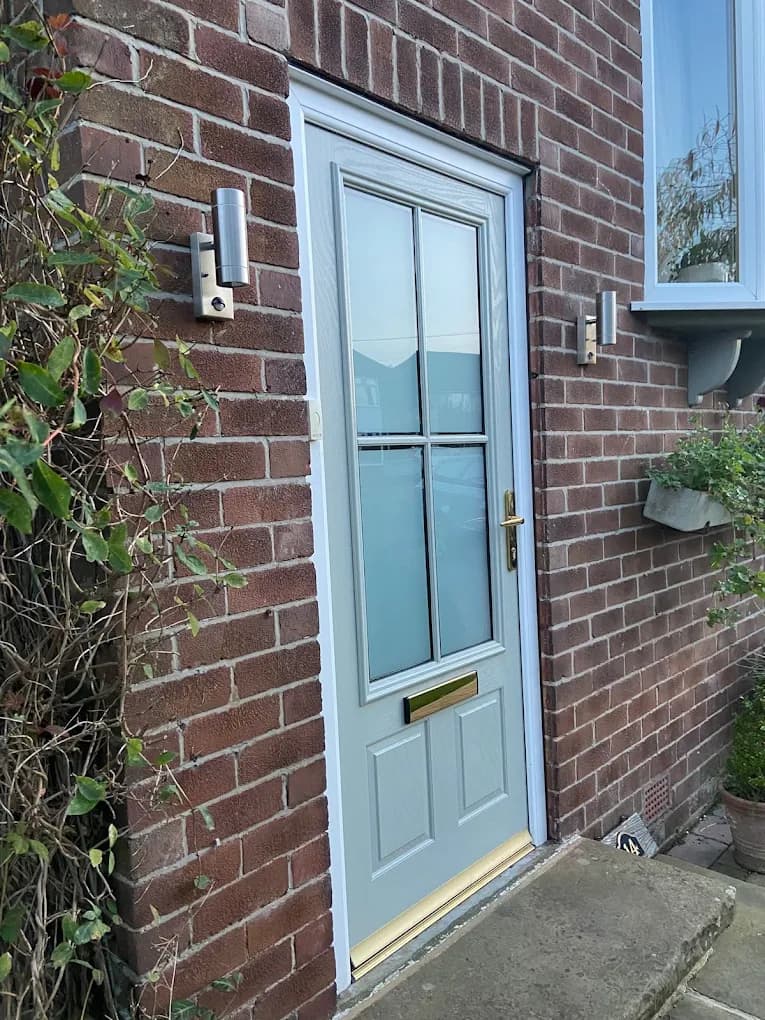
Security Lighting is designed to deter intruders and illuminate access points. It is typically bright, functional, and often activated by motion sensors (PIR). Common locations include driveways, front doors, side passages, and rear gardens.
Decorative Lighting is designed to create atmosphere and highlight garden features. It includes path lights, uplighters, deck lights, festoon lights, and wall washers. The goal is visual appeal rather than raw brightness.
The best outdoor lighting schemes combine both - security where you need it and atmosphere where you want it.
Does Outside Lighting Reduce Crime?
The short answer is yes. Research consistently shows that improved street and residential lighting reduces crime.
A comprehensive review by the College of Policing found that improved lighting led to a 21% reduction in crime in the areas studied. The effect was particularly strong for property crime - burglary, theft, and vehicle crime. The review noted that lighting works as a deterrent not just at night but also during the day, because well-lit areas signal that residents are attentive and that the area is cared for.
A separate analysis published in the Journal of Quantitative Criminology found that lighting improvements reduced crime by an average of 21-23% across multiple studies in the UK and the US.
The key takeaway: visible, well-maintained lighting around your property makes it a less attractive target. Burglars prefer dark, unobserved approaches. A well-lit front and side passage removes that cover.
Types of Outside Lighting
Smart Switching and Wireless Control
One of the biggest changes in outdoor lighting over the past few years is the move towards smart and wireless control. You no longer need to run switch cables from every light back to an indoor switch.
These options are particularly useful for garden lighting schemes where running switch cables to every fitting would be impractical or expensive.
How Much Does Outside Lighting Cost?
Typical installed costs for common outdoor lighting:
- Single PIR floodlight (supply and install): £80 - £150
- Porch or wall light (supply and install): £100 - £200
- Pair of front door wall lights: £200 - £350
- Path lighting (set of 4-6 bollard or spike lights): £400 - £800
- Deck lighting (set of 6-10 recessed lights): £300 - £600
- Full garden lighting scheme (design, supply, install): £1,000 - £3,000+
- Smart switching retrofit (per zone): £50 - £150
Costs vary depending on the fittings chosen, cable routing, and whether new circuits are needed. All prices include installation by a qualified electrician.
Planning Your Outside Lighting
A few practical tips:
Get a Free Quote
Whether you need a simple security light or a complete garden lighting scheme, get in touch for a free, no-obligation quote. We can advise on the best approach for your property and provide a fixed price for supply and installation. See our sockets, switches and lighting services for more detail.
Have a question about your job?
Send us the details and we'll get back to you within 2 hours during working hours. We cover Pontefract, the Five Towns and West Yorkshire.
Ready for a price now? Get a free quote